
-
×
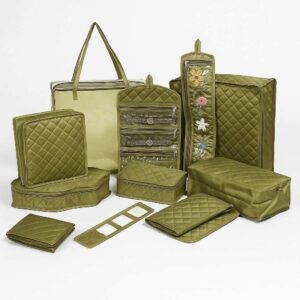 11 pcs satin wedding organiser set dulhan marriage set
1 × ₹1,560.00
11 pcs satin wedding organiser set dulhan marriage set
1 × ₹1,560.00
Subtotal: ₹1,560.00

When it comes to regal Indian handloom sarees, two legendary names reign supreme: the majestic Banarasi silk from the North and the magnificent Kanjivaram silk from the South. Both weaves represent centuries of artistic mastery, cultural heritage, and unmatched luxury. However, choosing between Banarasi Silk vs Kanjivaram Silk can often leave saree lovers and brides-to-be in a dilemma during festive shopping.
While both handloom varieties are crafted from high-grade pure mulberry silk yarn and adorned with intricate zari motifs, their weaving techniques, cultural influences, fabric weights, and stylistic finishes are distinctly unique. In this comprehensive comparison guide on Banarasi Silk vs Kanjivaram Silk, our craft experts break down every structural, aesthetic, and practical difference to help you select the ideal heirloom piece for your wardrobe.
Understanding the roots of these iconic weaves provides deeper appreciation for their unique artistic identities:
The defining line in Banarasi Silk vs Kanjivaram Silk lies in how the warp and weft yarns are constructed on the loom:
Authentic Kanjivaram sarees are famous for their unique Korvai weaving technique. In a true Kanjivaram drape, the body, border, and pallu (anchal) are woven separately and then joined together with incredible strength using a zig-zag weave seam. The zari used in classic Pure Kanjivaram Silk Sarees is wrapped three-ply (mulberry silk thread twisted with real silver and gold leaf coating), giving the fabric its signature weight, stiffness, and durability.
In contrast, Banarasi sarees utilize intricate brocade techniques such as Kadwa (where each motif is individually hand-woven without loose threads at the back) or FeKua (cutwork brocade). Woven with fine silk yarns, Pure Banarasi Silk Sarees are remarkably supple, soft in drape, and feature intricate metallic gold and silver zari brocades (Ganga-Jamuna zari).
Here is a side-by-side technical breakdown to help you evaluate Banarasi Silk vs Kanjivaram Silk at a glance:
| Feature / Characteristic | Banarasi Silk Saree | Kanjivaram Silk Saree |
|---|---|---|
| Geographical Origin | Varanasi, Uttar Pradesh (North India) | Kanchipuram, Tamil Nadu (South India) |
| Cultural Influence | Mughal, Persian Floral & Botanical Motifs | Dravidian Temple Architecture & Mythology |
| Weaving Technique | Kadwa, FeKua, Tanchoi, Cutwork Brocade | Korvai Interlocking Technique (Separate Body & Border) |
| Fabric Texture & Drape | Soft, fluid, supple brocade drape | Structured, firm, heavy-bodied silhouette |
| Zari Composition | Fine electroplated or tested silver/gold zari wire | 3-ply twisted silk yarn with real silver & gold coating |
| Signature Motifs | Jaal (Lattice), Bel (Vines), Kalka (Paisley), Shikargah | Mayil (Peacock), Yaali (Mythical Lion), Rudraksham, Temple Borders |
Both drapes command reverence and grandeur, but knowing when to wear which saree can elevate your personal style statement for festive occasions and weddings.
If you prefer a soft, fluid drape that gently hugs the body silhouette while radiating metallic sheen, Banarasi silk is ideal. It is perfect for North Indian wedding rituals, festive Sangeet nights, and grand Diwali celebrations. For comprehensive styling inspiration, consult our Festive Saree Styling Guide to pair Banarasis with modern contrast blouses and Polki jewelry.
If you prefer a structured, grand drape with deep contrasting borders that stay firmly in place throughout long ceremonies, Kanjivaram is your best choice. It is the gold standard for traditional South Indian Muhurtham ceremonies, temple poojas, and formal cultural celebrations. You can also explore specialized luxury choices like Pure Kanchipuram 1 Gram Gold Silk Sarees for long-lasting sheen.
If you love diverse weave options beyond Banarasi and Kanjivaram, explore geometric masterworks like Pure Patola Silk Sarees, peacock-brocaded Pure Paithani Silk Sarees, lightweight Pure Chanderi Silk Sarees, or textured Pure Tussar Silk Sarees across our main Saree Collection.
For modern festive occasions where you might want to alternate between six yards and stylish stitched suits, browse our Premium Party Wear Collection, curated Pakistani Suit Collection, or the main Women Collection for complete ethnic wardrobing.
Given the popularity of synthetic art silk imitations, identifying pure handloom silk is critical before investing in heirloom pieces:
Both handloom giants require diligent care to maintain their sheen and fabric strength across generations:
A: Generally, Kanjivaram silk sarees are heavier because they utilize 3-ply twisted mulberry silk threads combined with silver and gold zaripack construction. Banarasi silk sarees, while elaborate in brocade work, tend to be softer and lighter in comparison.
A: Kanjivaram silk is traditionally preferred for South Indian Muhurtham bride rituals due to its sacred cultural heritage, contrasting temple borders, and structured drape. However, many brides also wear Banarasi silks for receptions and pre-wedding functions.
A: Yes! Light pastel Banarasi silk sarees woven in organza or georgette bases, as well as delicate tissue brocades from our Pure Saree Collection, look stunning for daytime rituals.
A: Look for the official Silk Mark logo, perform a loose thread burn test, examine the backside weave for handloom weaving irregularities, and check if the price reflects genuine silver/gold zari handloom craftsmanship.